





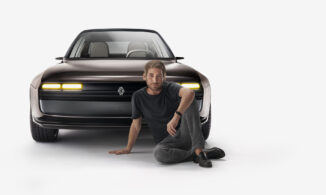








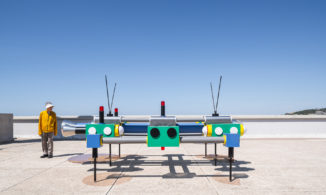

























































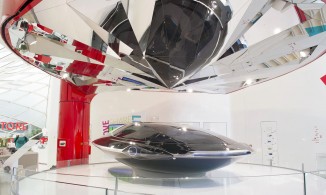
























































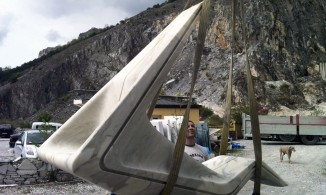





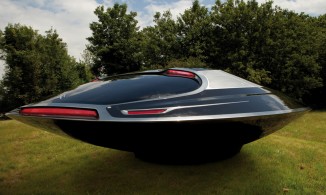
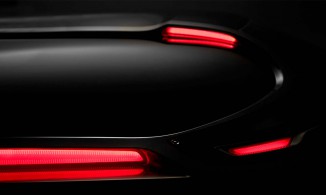
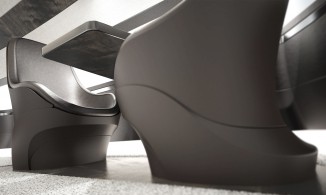

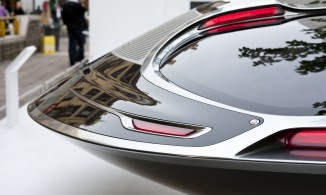

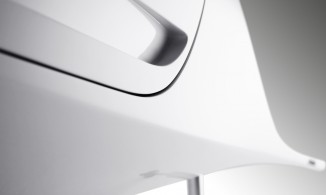
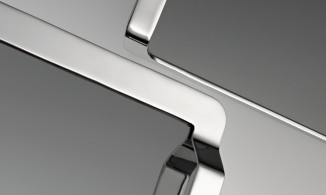
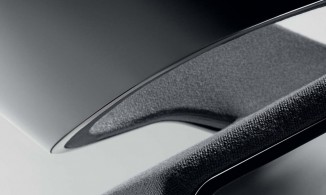





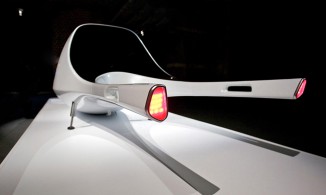
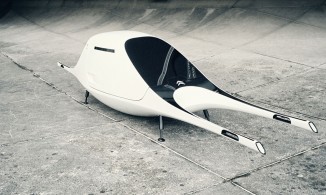
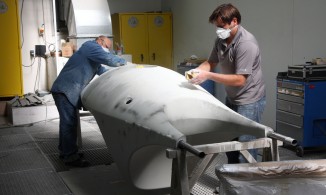
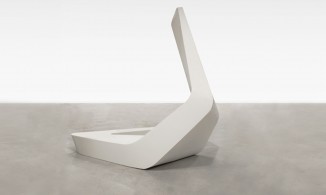
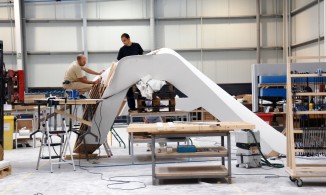



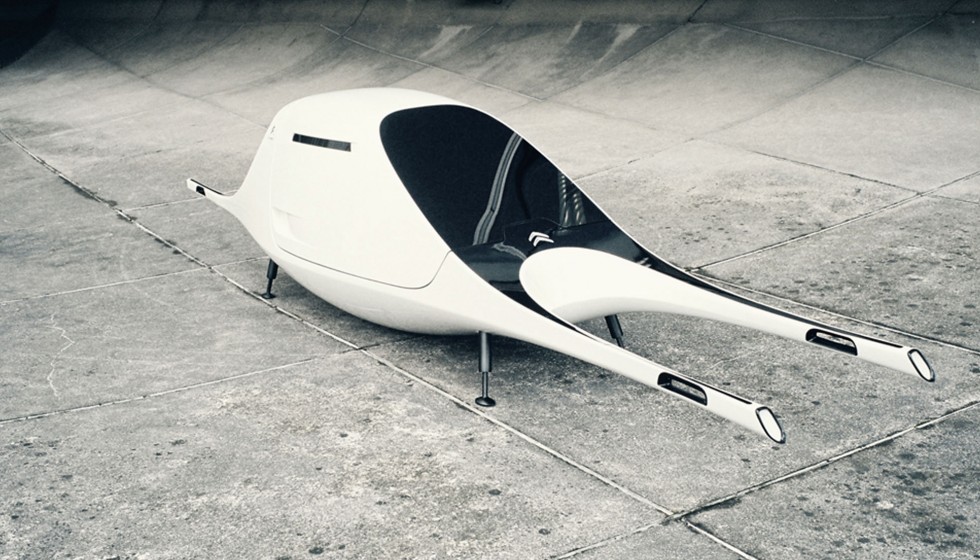
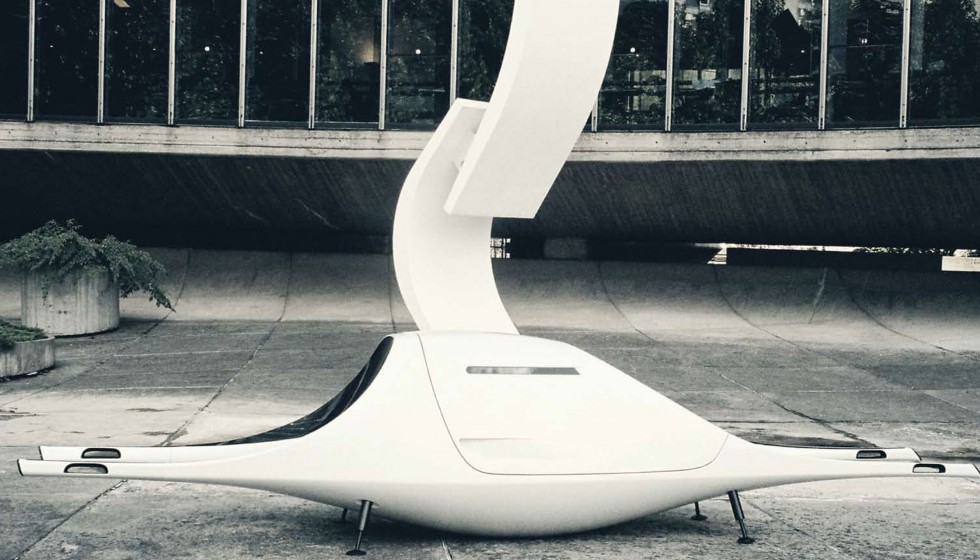
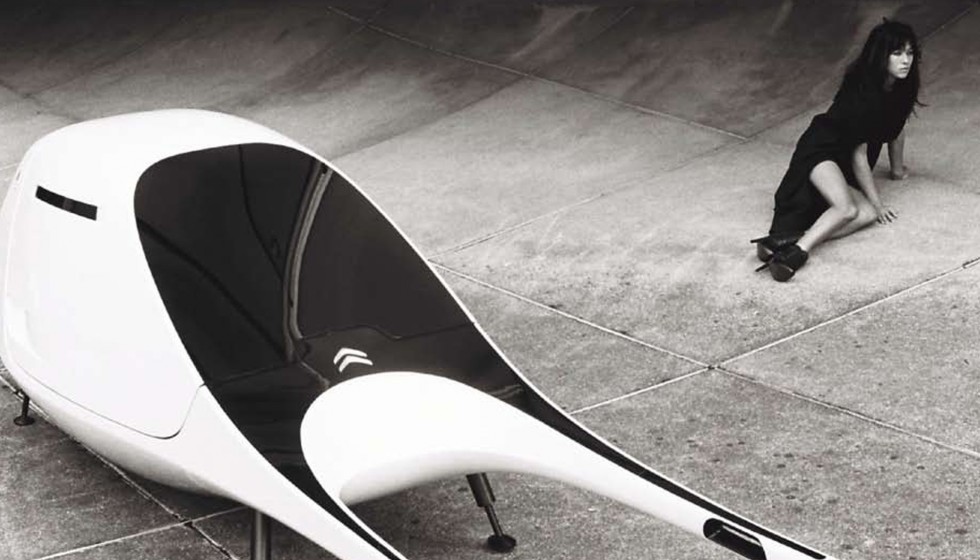
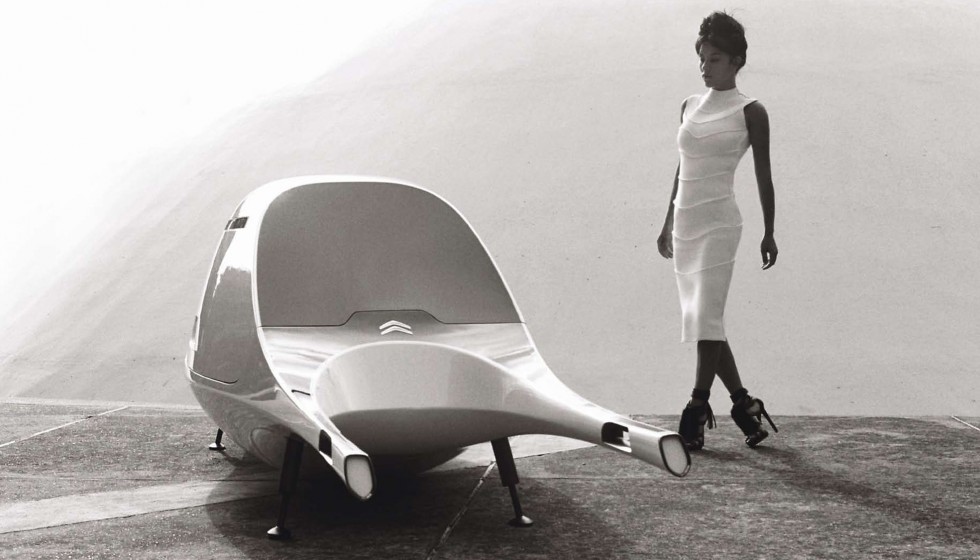
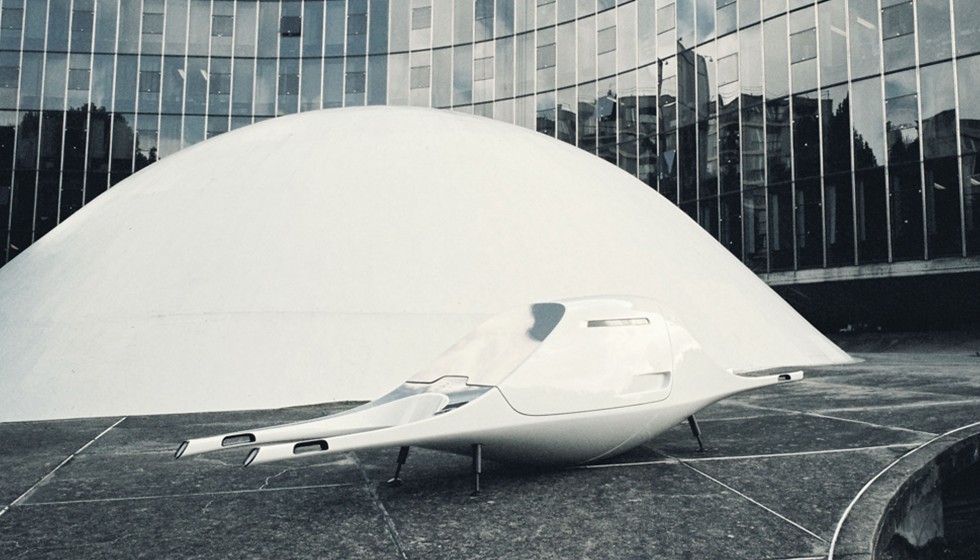
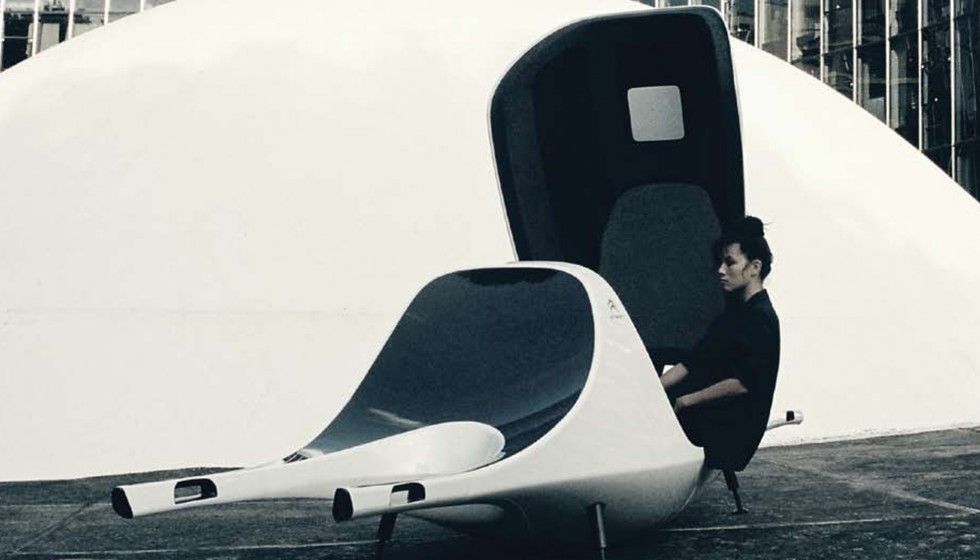
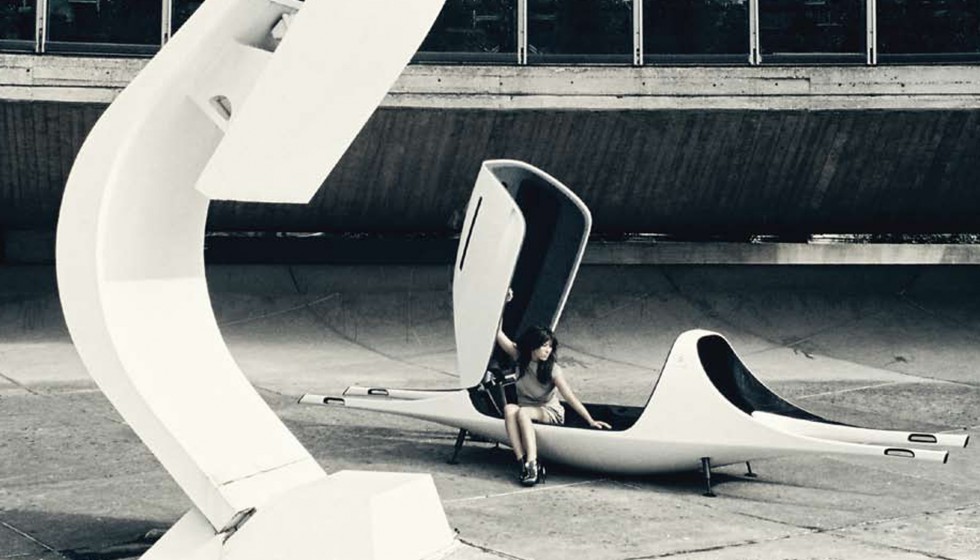

EVO est un condensé de 400 ans de mobilité urbaine. Son design hybride est la mutation génétique du premier véhicule mobile et d’une voiture d’aujourd’hui s’inspirant du châssis autoporté de Citroën. ORA-ITO a créé le premier monotypique de l’histoire de l’industrie automobile avec les équipes de recherche et de développement de la marque. A mi-chemin entre l’hypothèse et l’art contemporain, il a imaginé des modules sous forme de “plugs” permettant d’évoluer et de muter en fonction de l’environement. Citroën reste un emblème d’avant-garde automobile.
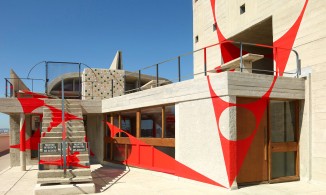
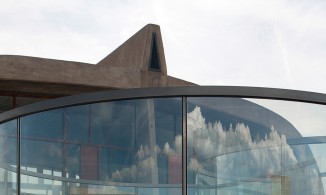
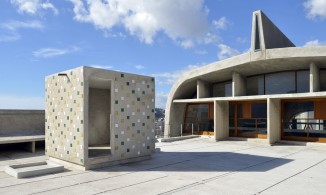
Après plusieurs années de collaboration avec Citroën, autour de projets architecturaux, le designer français ORA-ïTO s’est tourné vers la marque aux Chevrons pour développer une «mutation génétique», création insolite illustrant 400 ans d’histoire de la mobilité. À la frontière de l’hypothèse et de l’art contemporain, cet objet hybride représente pour son créateur l’accomplissement d’un rêve d’enfant : Un Monotypique. L‘œuvre monumentale créée par ORA-ITO – que nous avons photographiée devant l ’oeuvre archi tecturale dessinée par Oscar Niemeyer – se situe au croisement d’un véhicule du passé et d’une voiture d’aujourd’hui ; la mobilité fonctionnelle du XVIe siècle fusionnée avec le monde moderne. Baptisée EVO, cette pièce unique peut être équipée de modules supplémentaires. Assimilés à des options, des plugs indépendants viennent s’assembler aux tiges avant et arrière du véhicule. L’idée même de travailler plusieurs entités permet à l ’ensemble de ces «mutations génétiques» de diffuser un message universel sur l’évolution de la mobilité, posant les bases de nouvelles directions, jusqu’ici jamais explorées par l’industrie automobile. « Le terme mutation, explique ORA-ïTO, est employé pour désigner une modification irréversible de l’information génétique et héréditaire. Si la mutation arrive jusqu’aux cellules, elle est transmise aux descendants de l’individu mutant. Ce changement peut procurer un avantage sélectif. C’est la base du processus de l’évolution. »
Photographie — Romina Shama